by Rob Haralson
Founder, Signal Chain Audio Labs
August 8, 2026
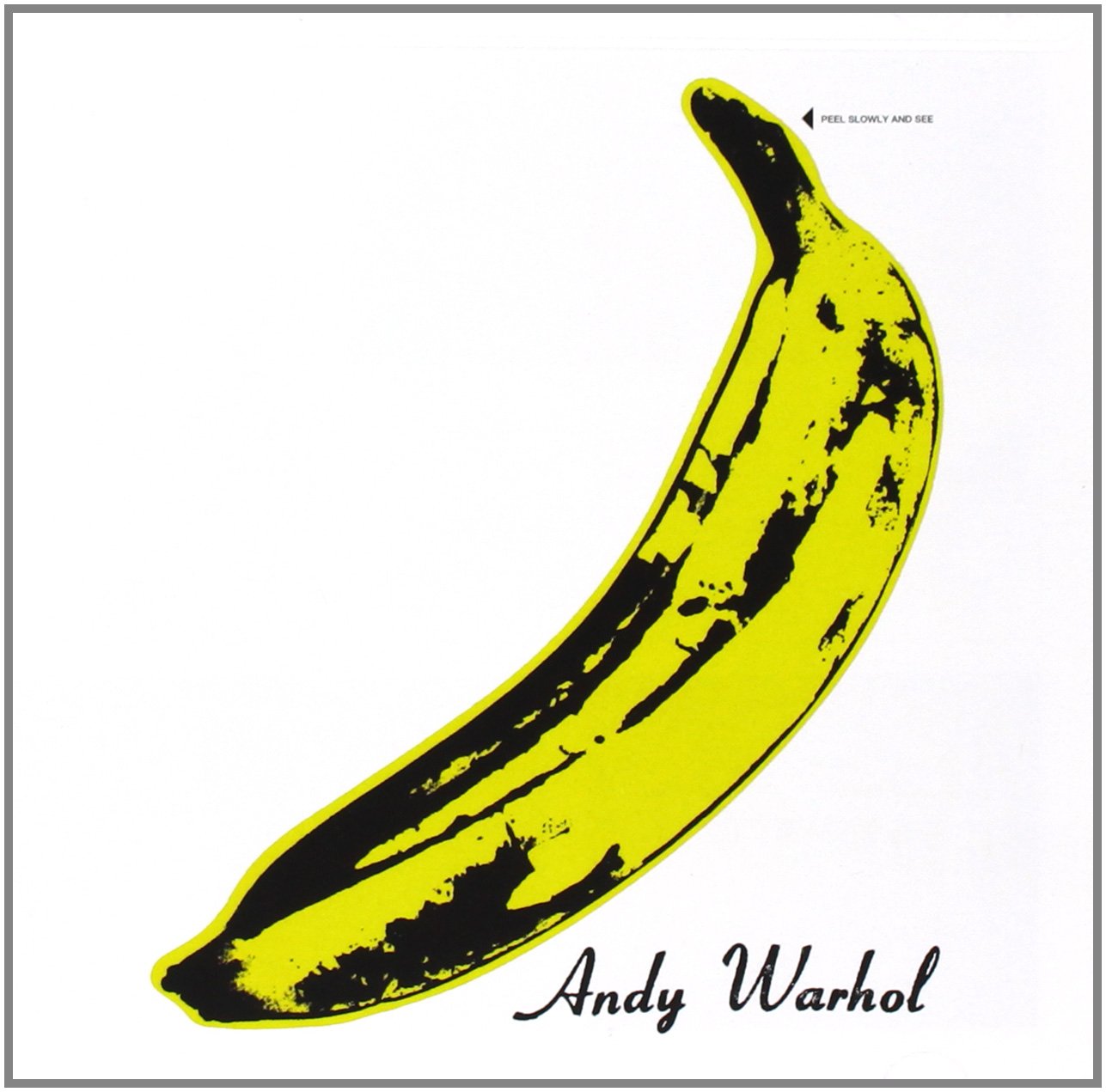
In March 1967, an album arrived in record stores with a cover showing a single yellow banana on a white sleeve and a simple instruction that read, "PEEL SLOWLY AND SEE". Most people didn't. In fact, few people bought the record that year. Some radio stations wouldn't play it and critics didn't know what to make of it. Yet, The Velvet Underground & Nico, and the artwork that graced the cover, went on to become one of the most consequential albums in the history of recorded music and the most celebrated album cover of all time. Today, the artwork is as iconic as the music itself: a piece of pop art that turned an album sleeve into a genuine artifact that is still instantly recognizable.
Warhol designed the artwork for the album in 1966. The banana traces back to a cheap tin ashtray he found in New York, the kind of commercial object Warhol habitually elevated into art, just like his Campbell's soup can paintings. His instinct was to take the ordinary and - through art - make it mean something.
The original pressings of The Velvet Underground & Nico invited you to participate, and beneath a peelable banana skin sticker lay a flesh-colored fruit underneath. The peelable covers required a special machine and contributed to higher manufacturing costs and delayed the album's release by several months. The record label paid for it anyway. To them, it was worth it because of Warhol’s involvement.
"Everyone who bought one started a band," is a line often attributed to producer Brian Eno. And he wasn't wrong. Hearing this music for the first time as an early teenager and guitar player made me want to do the same. Since then, The Velvet Underground & Nico has always been special to me for reasons I didn't always understand until recently. And next year, in March, it will celebrate another milestone: the 60th anniversary of its release.
If you’ve never been, I encourage you to visit the Andy Warhol Museum in Pittsburgh, PA and see the artwork for yourself, as well as the other incredible art pieces and exhibits on display that chronicle Warhol's life and career. Standing in front of it for the first time, I felt something I didn't expect: a strange kind of reverence. It was like meeting a piece of my own history in person, as it immediately took me back to the very first time I was introduced to the music, saw the album cover, and read through its liner notes. It's one thing to know an image; it's another to stand inches from the original piece – one that bears so much history and cultural significance.
Admittedly, I know very little about art, but I’ve visited museums all over the world. I’ve seen Klimt’s The Kiss, Munch’s The Scream, and da Vinci’s Mona Lisa. Seeing a harpsichord in Austria that Mozart played at age 3 is (maybe) a distant second, but nothing has ever come close to what I experienced that day in Pittsburgh. That’s how much I love this music, this album, and this artwork.
Though I never pursued music as a profession, I started a company in 2022 to bring a closely related passion to life: designing and building handcrafted studio and tour-grade audio cables for musicians. The success of the company has only been limited by bandwidth constraints. The company's success has been limited only by bandwidth constraints of a separate career and having a family.
It wasn't until recently that Signal Chain Audio Labs was even a recognizable name beyond the small number of customers I had accumulated. As a fan of the Grateful Dead, I devoted some time in 2025 to developing a tie-dyed braided guitar cable (something that no other cable company in the world had ever done), but engineering it proved to be a series of technical challenges that took time to figure out. Streaming all three nights of Dead & Company's San Francisco shows that celebrated the 60th Anniversary of the Grateful Dead in August 2025 certainly kept that idea alive, but other things always got in the way of ever finishing it.
But in January 2026, Bobby Weir died. By then, I had nearly solved the last technical hurdle - getting nylon fibers of the braid to adequately absorb the dye through a process I call "flash heating" - but releasing a tie-dyed product for profit, which (deliberately or not) would be connected to the Grateful Dead and its legacy, right after the death of one of its founding members and someone I deeply admired, didn't feel right to me.
Thankfully, solving that problem was simple: Create a limited run (500) of individually numbered tie-dyed cables and donate all the proceeds from sales to the Furthur Foundation, the organization Bobby founded that provides funding to environmental and social change issues in the San Francisco Bay area and around the world. An introductory email to Furthur's Board Chairman pitching the idea and asking for the org's permission kicked off a fruitful conversation. Within only a few days, everything was in place, and before I could even get all the materials in stock, orders started flooding in.
Today, I’m about halfway through the limited run of tie-dyed cables, and writing the first check to the Furthur Foundation felt good. It felt REALLY good.
It didn't take me long to find my next philanthropic project. Knowing the 60th anniversary of The Velvet Underground & Nico was around the corner, I believed a guitar cable was the perfect way to capture the life and spirit of Andy, the artwork, the music, and the impact all of it had (and continues to have) on the world. And I believe the same thing that I think Andy believed: that the ordinary objects people hold in their hands can carry meaning and tell a story. A cable is something a guitarist grips every time they plug in and play. It connects the instrument to the amp, the sound to the room, and the player to the audience.
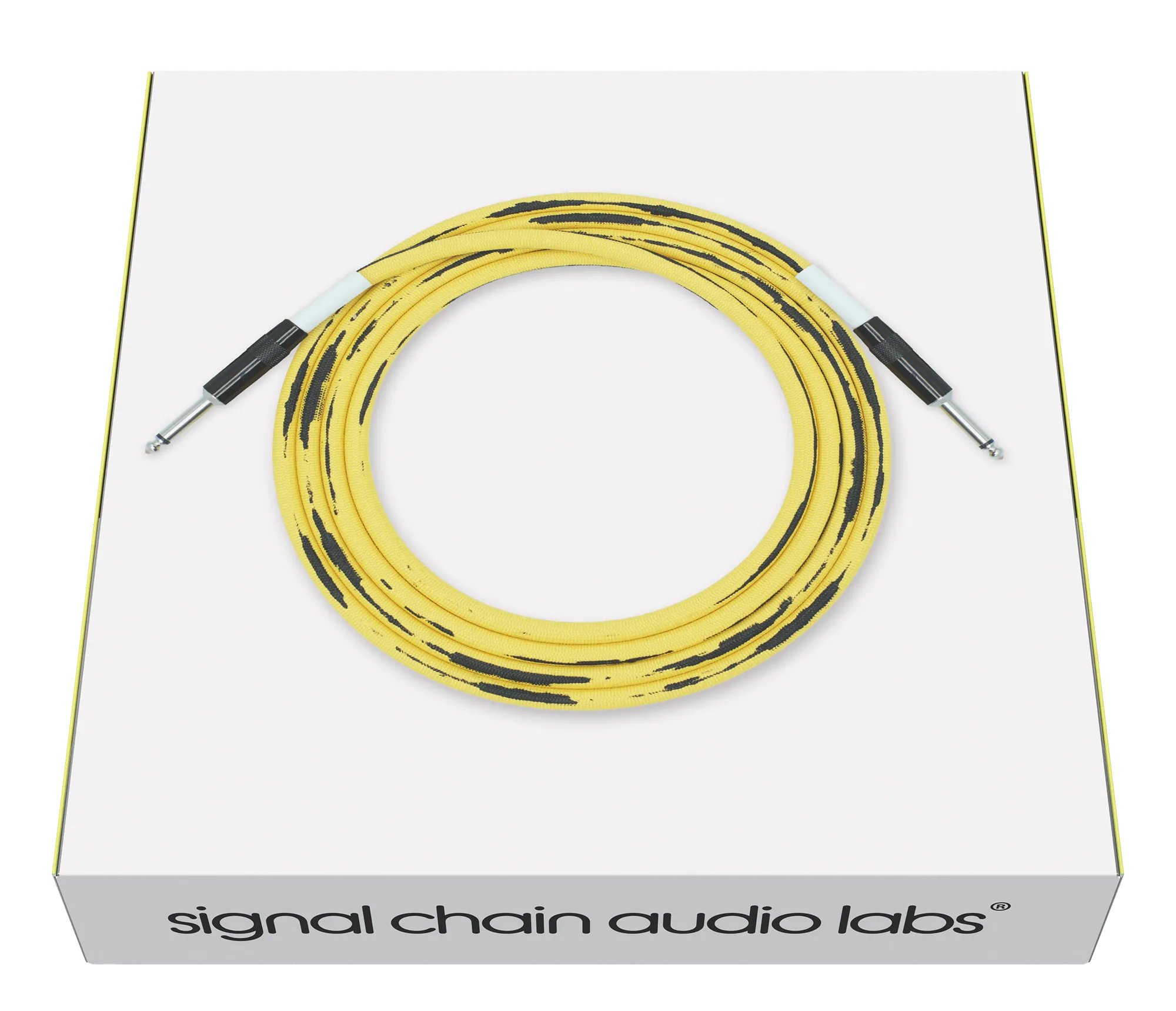
It took several weeks and required countless attempts with different materials to get it right, but I eventually landed on the cable’s final design. Taking a flattened 10-foot yellow nylon braid (closely matching the color of Warhol’s banana), I wrapped it into a disc shape (ironically, just like a record) and blotted each side with black screenprint ink. After applying heat to dry the ink, unfolding the disc unveiled a pattern unique to the individual braid. This process would allow me to make each cable one-of-a-kind: A functional piece of art with no two alike.
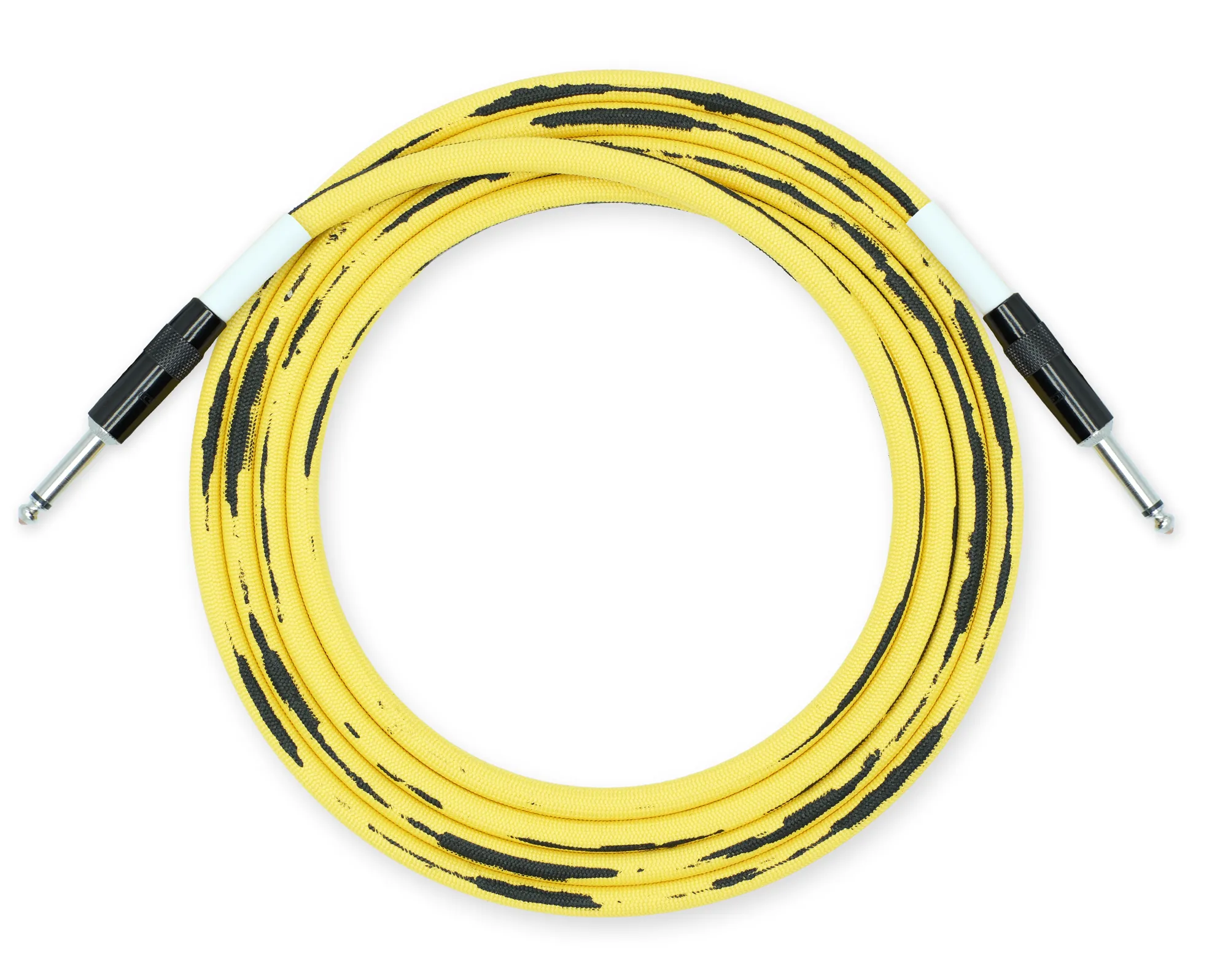
The cable prototype - the only one in existence - built in June 2026
I think Andy would have loved it.
I knew the next step would be more difficult. A project tied to one of the most recognizable images in rock and art history was always going to take some navigating. My plan, in a similar spirit of Signal Chain Audio Labs’ agreement with the Furthur Foundation, was to partner with the Andy Warhol Museum in Pittsburgh, PA to create a limited run of cables and donate the proceeds to support the museum’s music programs.
But unlike the tie-dyed cable that honored the life and legacy of a person and his contributions to music and culture, this project would be honoring an intangible piece of art (the music) wrapped by a separate physical piece of art (the album cover). I would soon learn this distinction is important.
The rights around the banana artwork, and around the Velvet Underground's visual identity more broadly, were the focus of a lawsuit filed in 2012 against the Andy Warhol Foundation for the Visual Arts by the Velvet Underground’s surviving members, Lou Reed and John Cale. The lawsuit centered on trademark infringement claims over the Foundation's licensing deal with iPhone/iPad case maker Incase. It was settled in 2013, but the terms of the settlement remain private and have never been publicly disclosed.
Today, an ecosystem of institutions - the Andy Warhol Foundation, the Velvet Underground Estate, and the Andy Warhol Museum - each of whom plays a role in stewarding the legacy of this artwork - operate independently of each other, but with a close eye on each other.
I started with the Andy Warhol Museum in Pittsburgh, PA. Having visited it several times, I believe it is one of the best-run museums in the country. Its response to my proposal was enthusiastic but also layered with a hint of caution: A reluctance to move without a blessing from the Foundation. Understandably, the Museum's relationship with the Foundation matters enormously to its work, and through my discussions with them, I gleaned that it's not eager to greenlight anything that might complicate that relationship - especially around this piece of art.
Multiple requests by me and the Museum, and revisions of those requests, were made to the Foundation to secure its approval. Ultimately, that’s really all I needed. I wasn’t requesting to license the artwork - or any part of it in any way - for the packaging or marketing of the cable. While it would have been useful, I didn’t need it. I just needed the Foundation’s blessing and permission to reference it only by the album’s name.
However, the Foundation’s answer never shifted:
“...our position remains unchanged, and we must respectfully decline.”
But it was my outreach to the attorney representing the Velvet Underground estate that received the shortest and most to-the-point response:
“Unfortunately, existing agreements preclude the proposed usage.”
The estate’s response was somewhat confusing to me: Just as with my request to the Foundation, I wasn’t seeking to license anything. I was simply asking for the VU estate’s blessing to create a small, respectful nod to the music, the album cover, and the artist who created it. More importantly, a guitar cable isn’t a banana.
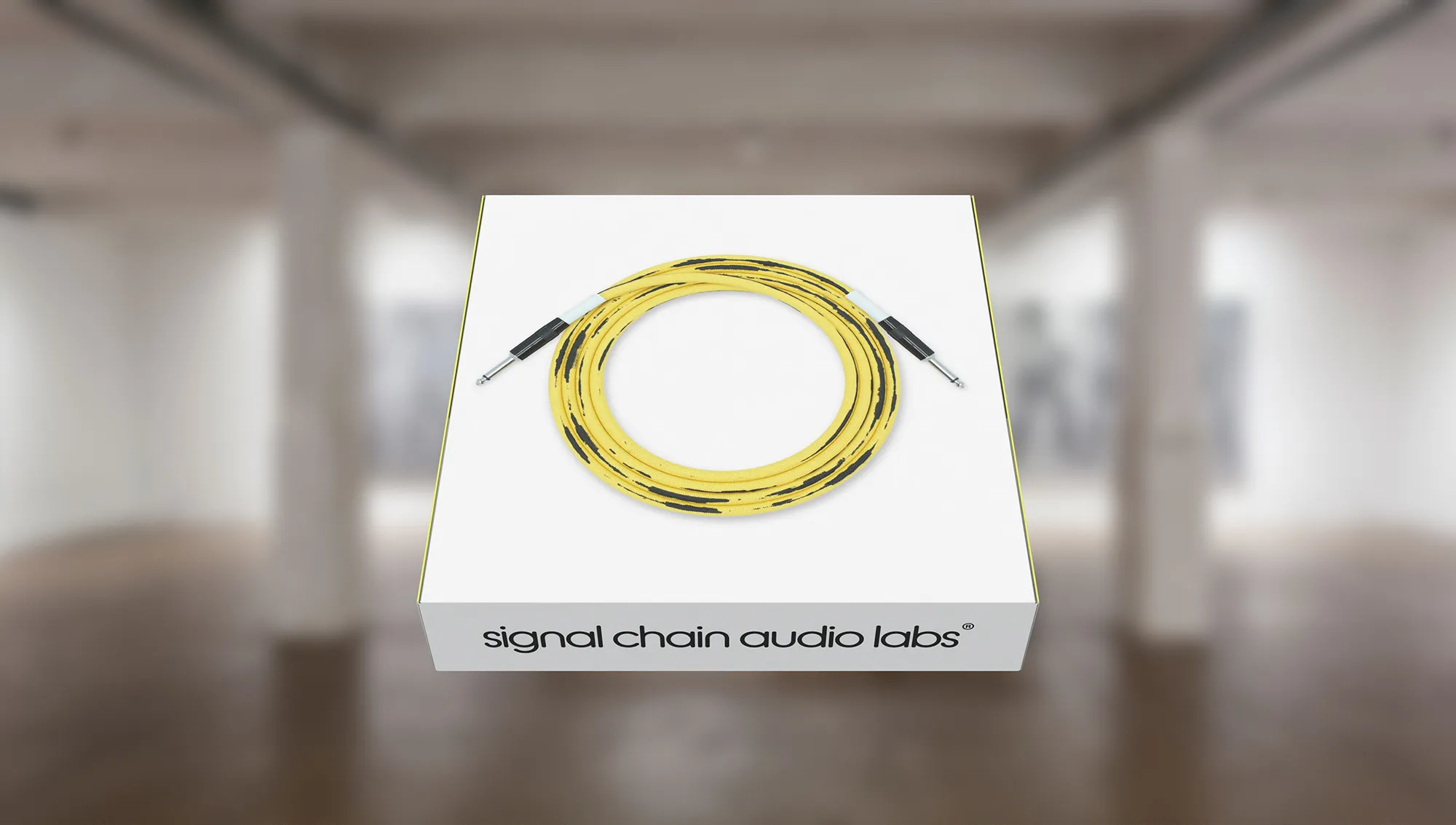
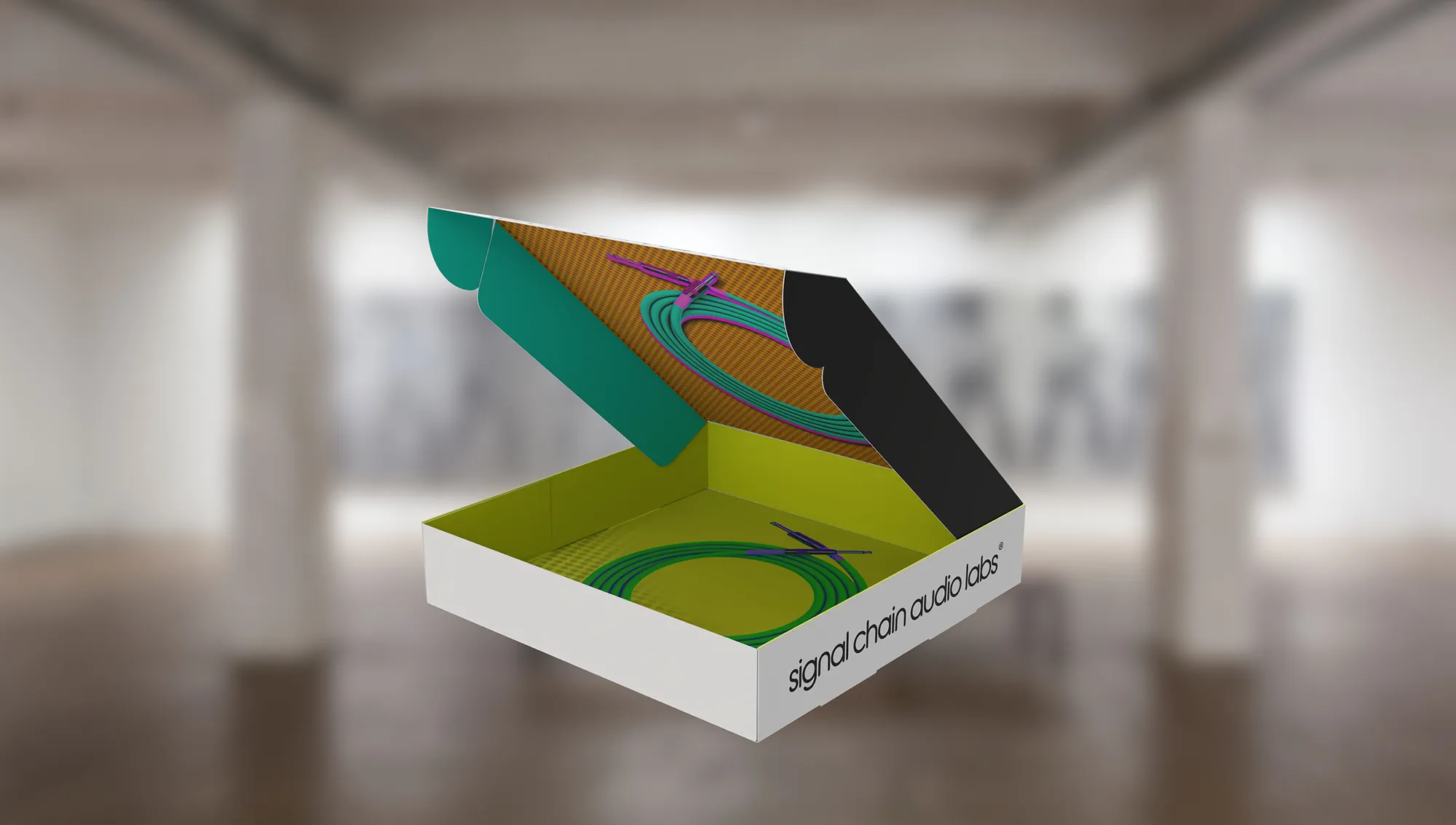
Revised mockups of the packaging design
Unfortunately, the response was also very telling: This artwork now exists in a space that almost no one can touch. And this project is dead.
Andy Warhol’s life, legacy, and his impact on art, music, and culture are almost impossible to capture in words, other than to write that I know it will never be repeated. The same can be said of the artwork for The Velvet Underground & Nico. At no point in history has an album cover been celebrated as much as the music inside it. But along with history and acclaim, it also amassed a long list of stakeholders - all sitting on opposite sides of the table from one another - all with competing (but still valid) business interests.
It seems the result is an impassable road that no party is even willing to attempt to cross. And in that standstill, it's the legacy itself that quietly loses out, not through anyone's fault, but through the simple absence of a path forward.
It’s an unfortunate reality created by history.
That said, the banana hasn't been locked away entirely. In the years since the settlement, the Foundation has continued to license the image for some commercial uses, including a one-time collectible designer toy collaboration, as well as items sold in museum gift shops (stickers, key chains, tote bags, note cards). It’s proof that, under the right circumstances, the artwork still finds its way into the world commercially. But that's part of what makes this decline harder for me to square. I was an independent maker asking only to reference the artwork and album by name, in service of the very legacy the Foundation continues to license elsewhere.
To be clear, I am a steadfast proponent of intellectual property rights. They give creators legal control over how their work is used and reproduced, and the ability to protect the integrity of the work, prevent unauthorized commercial exploitation, and benefit financially from what they made.
But I also believe that the outcome of this project - a cable that will never be produced - sits uneasily against the purpose of it being developed in the first place, and against some of the very reasons these institutions exist: To honor and celebrate this iconic album cover, the artist, and the music behind it. To keep them relevant and alive for new generations to discover.
To find new and creative ways to let people continue to peel slowly and see.